
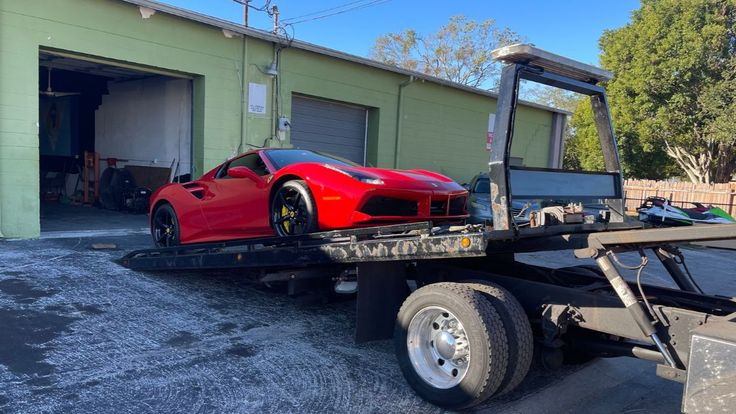
Open vs. Enclosed Car Transport: Which Shipping Method Should You Choose?
When planning to ship a vehicle, one of the most important decisions is choosing between open and enclosed car transport.
Both methods are widely used in the auto shipping industry, but they offer different benefits depending on your vehicle, budget, and transportation requirements.
Understanding the differences can help you make an informed decision.
What Is Open Car Transport?
Open car transport involves moving vehicles on trailers with exposed loading decks.
These are the multi-vehicle carriers commonly seen traveling along highways.
Open transport is frequently used for everyday passenger vehicles, including sedans, SUVs, pickup trucks, and family cars.
Because open carriers can transport several vehicles on the same trip, this method is generally more affordable than enclosed shipping.
What Is Enclosed Car Transport?
Enclosed car transport uses covered trailers to shield vehicles from direct outdoor exposure.
This method is commonly selected for luxury automobiles, vintage collectibles, exotic sports cars, and vehicles with delicate finishes.
Enclosed trailers typically accommodate fewer vehicles, which contributes to their higher transportation costs.
Open vs. Enclosed Car Shipping Comparison
| Feature | Open Transport | Enclosed Transport |
|---|---|---|
| Typical cost | Lower | Higher |
| Weather exposure | Exposed | Protected by trailer |
| Road debris exposure | Greater | Reduced |
| Carrier availability | Generally wider | Often more limited |
| Everyday vehicles | Excellent option | Available |
| Luxury and classic cars | Possible | Often preferred |
| Loading requirements | Standard carrier equipment | May offer specialty equipment |
Which Option Is More Affordable?
Open car transport is generally the better option for budget-conscious customers.
Its pricing advantage comes from the ability to move more vehicles per carrier trip.
Enclosed transportation costs more because of trailer capacity, equipment, and specialized service requirements.
However, the price difference varies by route, vehicle dimensions, and carrier availability.
Which Option Provides Better Protection?
Enclosed transportation provides additional protection against direct exposure to rain, dust, road debris, and other outdoor conditions.
Open transportation leaves vehicles exposed to the environment, similar to ordinary highway driving.
Both methods require proper loading, securing, and handling procedures.
Neither option guarantees that damage cannot occur, so customers should review the relevant insurance coverage and inspection procedures.
Which Method Is Better for Long-Distance Shipping?
Both open and enclosed carriers can be suitable for long-distance transportation.
The better choice depends more on the vehicle’s characteristics than the distance alone.
For example, an everyday sedan being shipped from California to Texas may be well suited to open transport.
A restored vintage automobile traveling the same route may benefit from enclosed transportation.
What About Carrier Availability?
Open transport is more common on many established vehicle shipping routes.
Enclosed carriers may have fewer available spaces, particularly on less frequently traveled routes.
If you require enclosed transportation for a specific date, planning ahead may provide more scheduling options.
How to Choose the Right Shipping Method
Consider your vehicle’s value, condition, intended use, and the amount you want to spend.
For a standard commuter car, open transport may offer the best balance of affordability and convenience.
For an expensive, rare, or carefully restored automobile, enclosed transportation may be worth considering.
If you’re unsure, compare both options before making a decision.
Find the Right Transport Option With Routevera Auto Shipping
Routevera Auto Shipping helps customers explore both open and enclosed vehicle transportation.
Whether you’re shipping a family sedan or a specialty vehicle, we can help you understand the available shipping arrangements.
Call (619) 903-6298 to discuss your vehicle and request a personalized quote.